

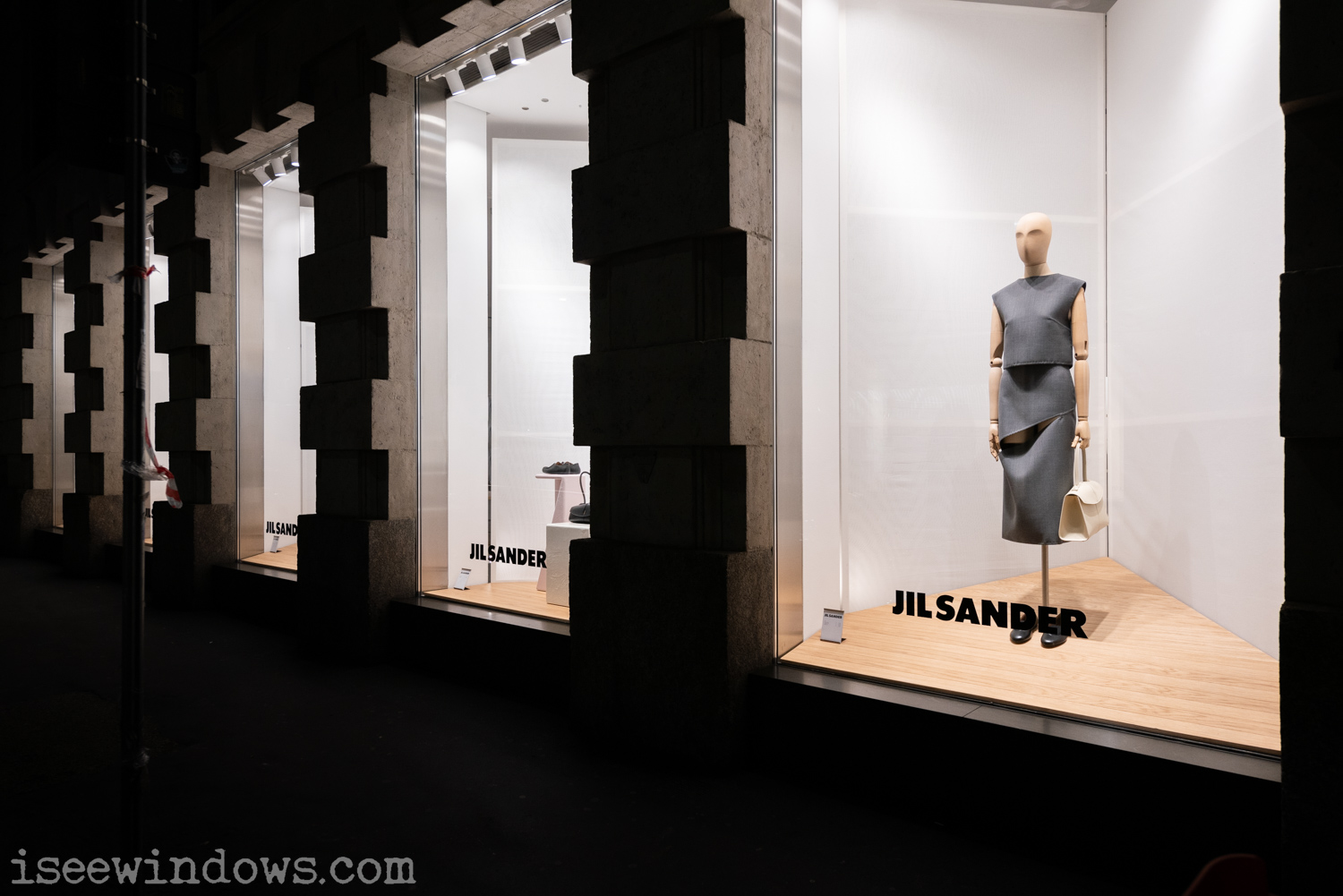
How to Become a Visual Merchandiser Without Experience
by Peter Hamer
march, 2026
Visual merchandising has a curious effect on my students.
At the end of almost every course I teach, whether in fashion business, styling, interior design, or fashion management, someone approaches me and says: “I think I’ve found my calling.” And almost immediately, that statement is followed by doubt:
- “But I don’t think I’m creative enough.”
- “I come from finance.”
- “I’ve never worked in retail.”
Let me be precise: visual merchandising is not reserved for a specific personality type. It is not a talent lottery. It is a discipline. And disciplines can be learned.
If you want to become a visual merchandiser without prior experience, there is a structured path. It is empirical, practical, and grounded in retail reality, not in fantasy.
How to Become a Visual Merchandiser: The Three Pillars
In my courses, I divide visual merchandising into three interconnected pillars:
- Strategic / Management
- Operational
- Creative
Depending on the program, the weight of these pillars changes. A management student will dive deeper into KPIs, zoning logic, and business alignment. A styling or interior design student may focus more on composition, materials, and storytelling.
But here is the key insight:
Most students identify strongly with one pillar and fear the others.
Someone with a finance background may say:
“I’d be good at the strategic part, but not the creative one.”
Someone from a design background may say:
“I like the creative part, but I’m not good with Excel.”
This is a false dichotomy.
A professional visual merchandiser operates across all three pillars. The balance may vary by role, but the understanding must be holistic.
How to Become a Visual Merchandiser Through Retail Experience
Visual merchandising was not born in lecture halls. It evolved empirically, inside stores, through observation and experimentation. This evolution of retail practice is also widely documented in industry analysis, such as McKinsey’s fashion and retail insights.
There are excellent operational VM courses that teach techniques:
- How to compose product displays
- How to style windows
- How to dress mannequins
These are valuable. But they do not fully answer the question:
What does a visual merchandiser actually do?
To understand that, you must go where everything converges.
Start Where Visual Merchandising Happens
Become a Visual Merchandiser from a Merchandising Background
If you come from finance, business, or management, consider starting in merchandising.
I personally began as a ready-to-wear merchandiser before moving into visual merchandising. That transition was decisive.
Merchandising teaches you:
- How collections are built
- How drops are scheduled
- How allocations work
- How supply chains affect stores
- How sell-through impacts decisions
When you later move into visual merchandising, you can:
- Plan rotations intelligently
- Understand stock pressure
- Align displays with business priorities
- Anticipate delivery timing
Visual merchandising is not decoration. It is applied strategy. Understanding the product flow transforms the way you design space.
From merchandising, moving into VM becomes a strategic evolution, not a creative leap.
Become a Visual Merchandiser Without Experience: Start in Sales
If you come from styling, art, photography, or interior design, and feel less confident with numbers, start in sales.
Retail sales gives you:
- Direct exposure to customers
- Understanding of product feedback
- Awareness of movement patterns in-store
- Sensitivity to objections and conversion
- Insight into how displays influence perception
Retail is demanding. It is fast. It is complex, and, it is not for everybody.
In luxury especially, anyone who wants to grow will eventually manage the shop floor. Retail is not a secondary layer. It is the core.
From sales, the move to visual merchandising is natural. You already understand:
- The customer
- The product
- The pressure of daily targets
- The importance of rotation
- The need for clarity
You are no longer theorizing. You are operating inside the system.
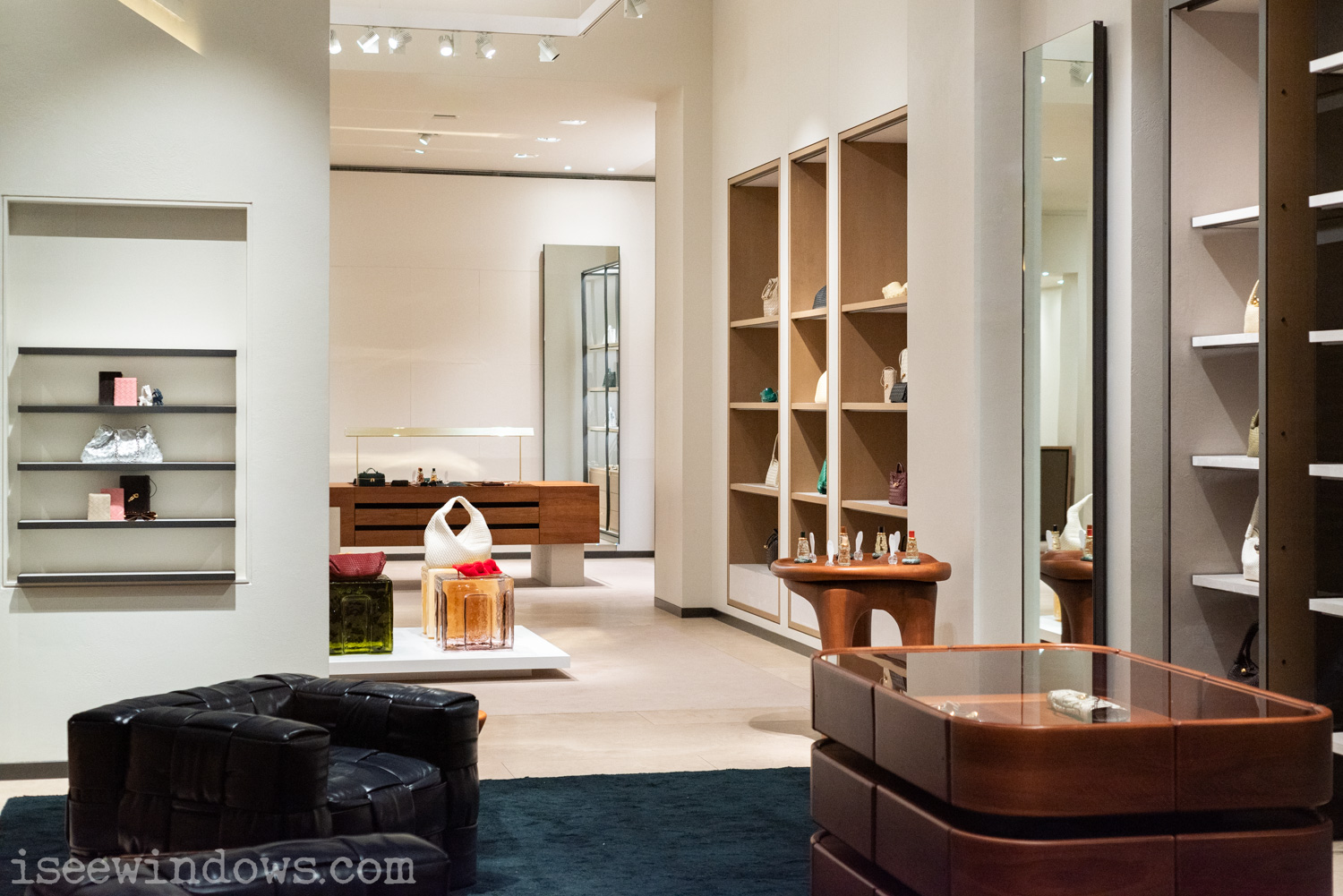
Retail Is the Laboratory
There is no shortcut around this:
If you want to become a visual merchandiser, you must spend time in stores.
Not occasionally. Not for inspiration. Regularly.
I am in stores every week. Not to shop. To study.
This is not window shopping. It is field research.
What You Should Observe
When you stand in front of a window, ask:
- Why three mannequins? Why none?
- Why a lightbox?
- Why this color story?
- What collection drop does this represent?
Inside the store:
- Why is this product at the entrance?
- Why is the bestseller here?
- Why is this table cross-merchandised?
- What path does the customer take?
Visual merchandising is pattern recognition, and each company has their own.
You must train your eye to see structure, not beauty.
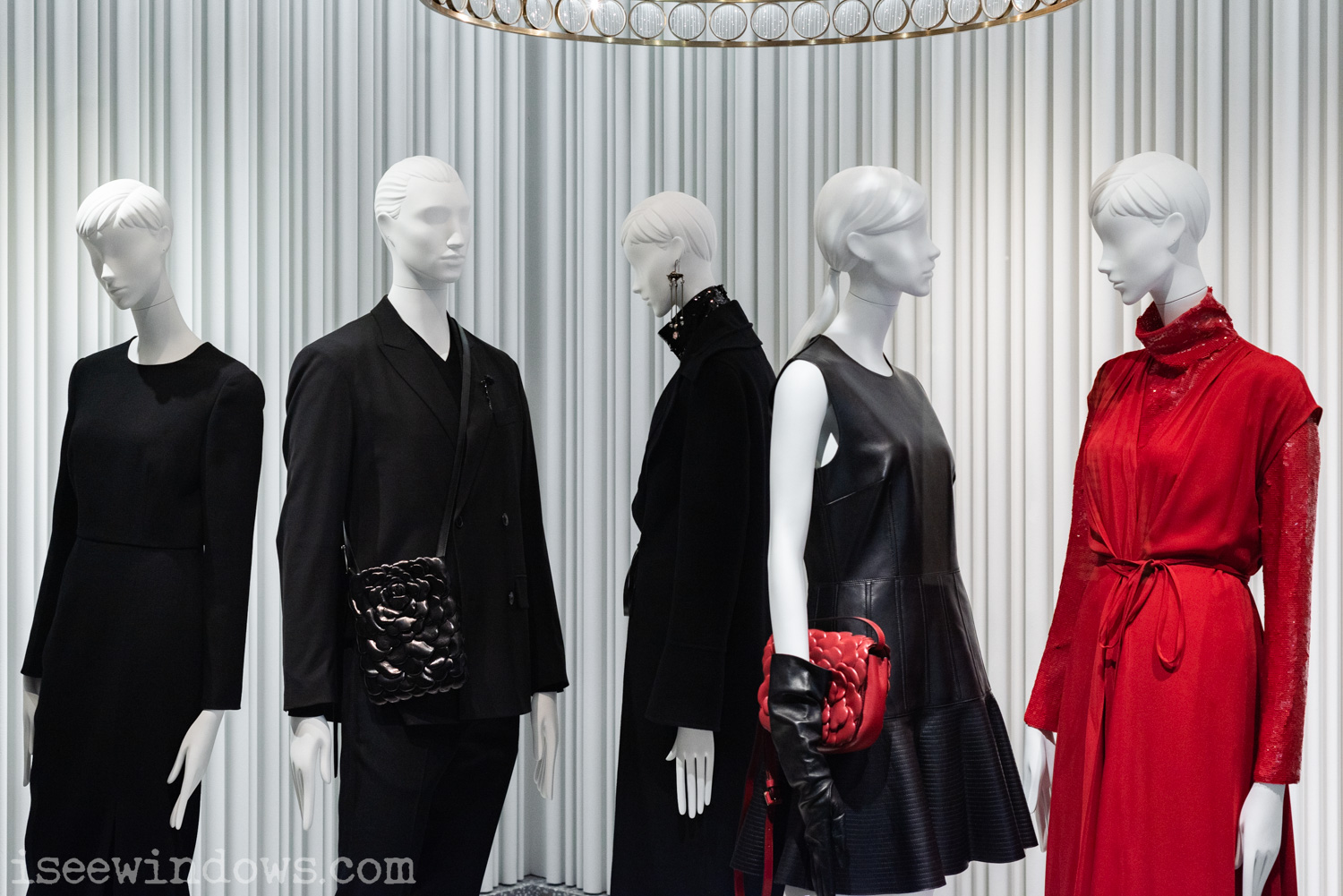
You Do Not Create for Yourself
A recurring mistake among beginners is this:
“I like it.”
This is absolutely irrelevant.
Visual merchandising is not self-expression. It is designed communication for:
- The customer
- The sales team
- The brand
If your display works only for you, it has simply failed.
The question is always:
- What perception is this creating?
- What behavior is this encouraging?
- What decision is this facilitating?
If you internalize this early, you will distinguish yourself quickly.
How to Build a CV Without VM Experience
If you do not yet have “Visual Merchandiser” on your resume, your application must demonstrate three things:
1. You Understand Complexity
Show that you recognize VM as:
- Cross-functional
- Interdisciplinary
- Strategic
Use language that reflects this awareness.
2. You Show Transferable Practice
What do you do in daily life that resembles visual merchandising?
Examples:
- Photography (framing, composition, storytelling)
- Event organization (experience sequencing)
- Interior styling (spatial harmony, flow)
- Cooking (balancing elements, presentation, timing)
The key is not the activity itself.
The key is:
Are you combining elements to create impact for someone else?
That “someone else” is essential.
Visual merchandising is relational. It exists for others.
3. Write a Focused Personal Statement
Your cover letter should communicate:
- Why you are drawn to VM
- Which pillar (strategic, operational, creative) feels strongest
- How you are actively training your eye (store visits, analysis, documentation)
- That you understand retail pressure
Avoid vague statements like:
“I love fashion.”
Be specific:
- “I’m fascinated by how zoning affects conversion.”
- “I study how brands rotate products.”
- “I observe how window density influences perception.”
Precision signals seriousness.

Creativity Is Not a Personality Trait
Let me address this directly.
Creativity in visual merchandising is not about being loud.
It is about:
- Connecting product and space
- Translating brand values into structure
- Solving constraints
- Working within limitations
Retail is full of constraints:
- Budget
- Stock availability
- Corporate guidelines
- Delivery delays
Creativity operates within these constraints. It is structured.
If you can analyze, adapt, and connect elements logically, you could become a strong visual merchandiser.
The Cross-Functional Nature of VM
Visual merchandising sits at the intersection of:
- Merchandising
- Marketing
- Retail operations
- Architecture
- Sales
- Logistics
It is a melting pot.
That is why students from finance, arts, design, and management all find their place in it.
The role is hybrid by definition.
A Final Recommendation
If you want to pursue visual merchandising:
- Get close to retail.
- Study stores weekly.
- Understand product flow.
- Build analytical language.
- Practice observing without judging.
- Accept that learning happens in the field.
This is not glamorous advice. It is practical.
But the strongest visual merchandisers I have worked with all share one trait:
They respect retail.
They understand that the shop floor is where strategy meets reality.
If you want to become a visual merchandiser without experience, the path is clear: start in retail, build structure, and train your eye.
Get in Touch
If you are considering this path and want feedback on your CV or cover letter, reach out. Becoming a visual merchandiser is not about fitting a stereotype. It is about developing discipline, structure, and awareness.
And those can be trained.
Want Peter in Your Classroom?
Discover the Education services and explore how structured visual merchandising, retail systems thinking, and strategic spatial analysis can support your academic program.
Author Bio
Peter Hamer is a Milan-based retail photographer, visual merchandising consultant, and professor of retail strategy. With over 20 years of experience inside global luxury fashion houses and more than a decade teaching visual merchandising in higher education, he bridges corporate practice, academic systems thinking, and spatial analysis. His work supports brands in Milan and internationally through structured luxury retail photography, strategic visual merchandising frameworks, and education grounded in measurable retail performance.